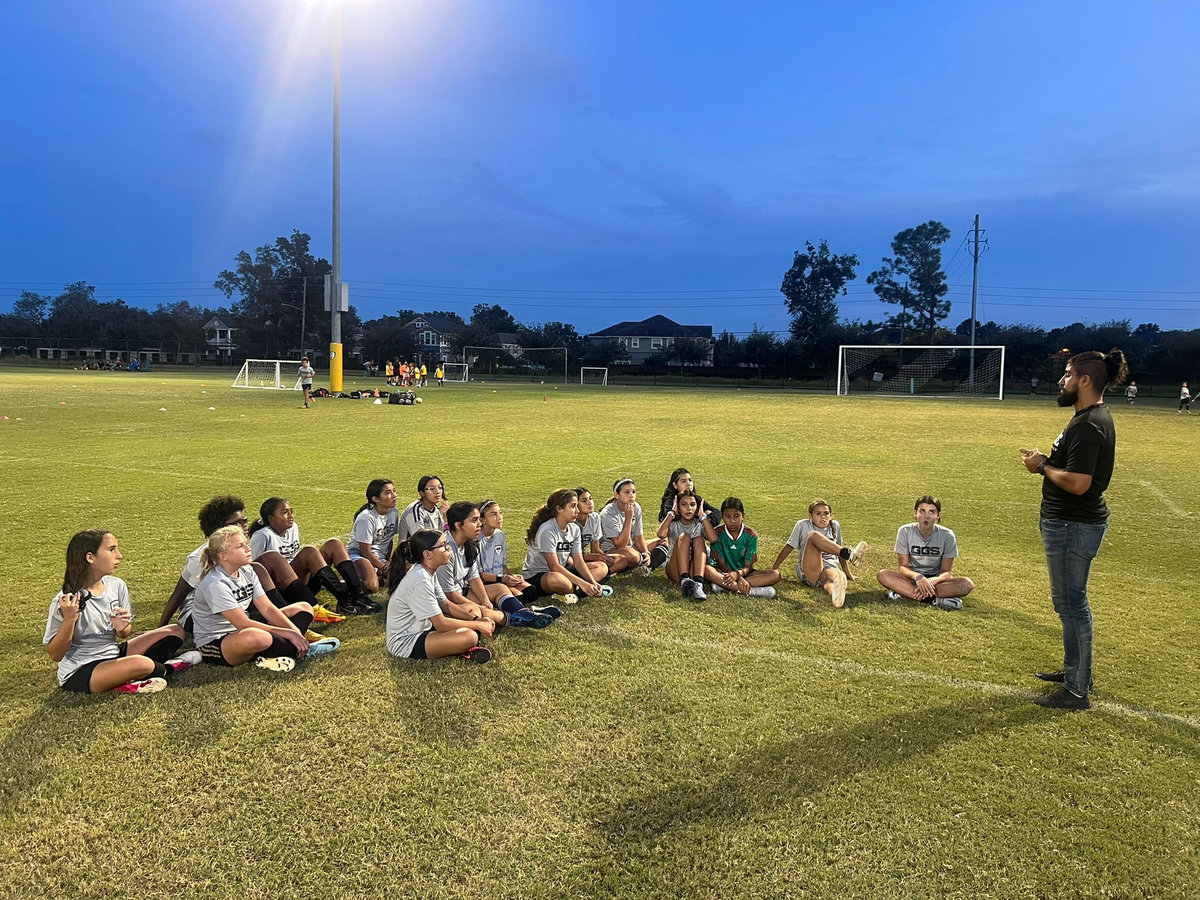

Your child loves their sport. They train hard, practice their skills, and dream big. But when the whistle blows or the spotlight is on, something changes. Suddenly, the confident, free-playing athlete you see at home becomes tense, hesitant, or overwhelmed.
This isn’t lack of talent. It’s pressure — the silent enemy that quietly steals performance and enjoyment from thousands of youth athletes.
What Pressure Really Is
Pressure is not always about the situation — it’s about how the brain perceives the situation. For a young athlete, the field, court, or gym can feel less like a place to grow and more like a stage where every mistake will be judged.
Pressure can come from many places:
- From Themselves — Fear of failure, perfectionism, or comparing to teammates.
- From Coaches — Intense criticism, limited opportunities, or unrealistic expectations.
- From Parents — Even well-meaning sideline advice can feel like judgment.
When this builds, the athlete’s nervous system reacts as if they’re in danger. Heart rate spikes. Breathing shortens. Muscles tighten. Focus narrows. Instead of thinking clearly, the brain is flooded with thoughts like: “Don’t mess up” or “I’ll let everyone down.”
And just like that, pressure has taken over.
The Cost of Pressure
Unchecked pressure doesn’t just impact performance in the moment — it rewires how athletes see themselves and their sport.
- Performance Anxiety — Kids may play “not to mess up” instead of “to win.”
- Loss of Confidence — They begin doubting skills they’ve practiced for years.
- Burnout — What once brought joy starts feeling like a burden.
- Dropout — Many athletes eventually quit altogether, not because they lack talent, but because the game stopped feeling fun.
For athletes between 11–18 years old, this is especially dangerous. These are the years when identity, confidence, and love for sport are being shaped.
Why Pressure Hits Kids Harder
Adults sometimes forget — children aren’t miniature adults. Their brains are still developing, especially the areas responsible for regulating emotions and decision-making.
That’s why:
- A coach’s criticism might feel like rejection of them as a person, not just feedback.
- A parent’s sideline comment can echo louder than hours of positive reinforcement.
- A single mistake can feel like proof they don’t belong.
Without tools to manage it, pressure can easily overshadow talent.
How Parents Can Help Ease Pressure
As a parent, you play one of the biggest roles in shaping how your child experiences their sport. Here’s how you can help:
1. Focus on Effort, Not Outcome
After games, resist the instinct to ask: “Did you win?” Instead, try: ✅ “How did you feel about your effort today?” This shifts focus from results (which they can’t always control) to effort (which they can).
2. Create a Safe Space for Mistakes
Help your child see mistakes as normal, even necessary. Share stories of athletes they admire who failed before they succeeded. Show them that “failure” is feedback, not a dead end.
3. Watch Your Sideline Behavior
Cheering is encouragement. Shouting instructions — especially when they conflict with the coach — often feels like extra pressure. Be the calm anchor, not another voice to please.
4. Build Pre-Game Routines
Encourage rituals that create focus and calm before competition. Breathing techniques, visualization, or listening to music can help them step into games with control, not chaos.
What Mental Training Adds
Pressure can’t be eliminated — but it can be managed. That’s where mental performance training comes in.
Some of the strategies I teach athletes include:
- Breathing & Centering Tools to lower nerves in the moment.
- Visualization Exercises to make big games feel familiar instead of overwhelming.
- Self-Talk Training to replace fear-driven thoughts with confidence.
- Reset Routines to recover quickly after mistakes and get back in the game.
These aren’t just tricks. They’re life-long skills that help athletes face challenges with resilience — in sports, school, and beyond.
Final Thought for Parents
Pressure is part of every sport. But whether it builds your child up or tears them down depends on the tools they have — and the support you provide.
Your role as a parent isn’t to remove all challenges, but to help your athlete see those challenges as opportunities for growth. When kids learn to manage pressure, they don’t just play better. They play with joy, freedom, and the belief that they belong.
Because in the end, the goal isn’t just raising great athletes — it’s raising confident, resilient young people ready to face life’s pressures head-on.
👉 I work with competitive youth athletes nationwide to help them handle pressure, build confidence, and perform at their best. If your child is struggling with pressure in games, I offer free evaluation sessions for parents and athletes. Send me a message to schedule one today.