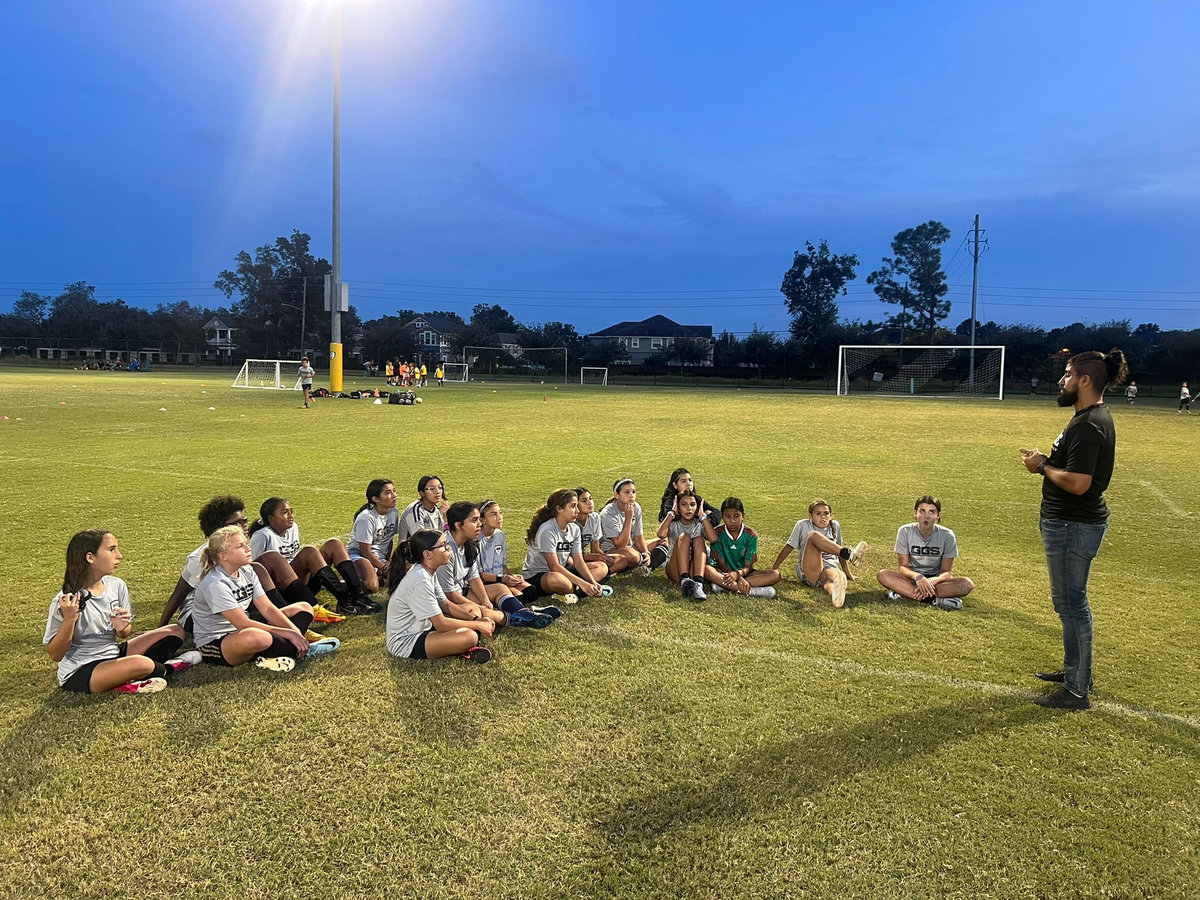

Setting goals is a vital part of any athlete's journey, especially for young soccer players. As parents, you can play a crucial role in guiding your child toward achieving their dreams on the field. This blog post explores effective goal-setting strategies that can help your youth athlete reach their soccer aspirations.
Understanding the Importance of Goal Setting
Goal setting is more than just dreaming big; it's about creating a clear path to success. For youth athletes, having specific, achievable goals can provide motivation and a sense of direction. Studies indicate that athletes who set goals are 20 to 25 percent more likely to achieve their desired outcomes compared to those who do not. When young players have a clear understanding of what they want to accomplish, they are more likely to stay dedicated and work hard to reach those goals.
Setting goals also helps athletes develop essential life skills such as discipline, perseverance, and time management. These skills can benefit them in their academic pursuits and beyond.
Involve Your Athlete in the Goal-Setting Process
Engaging your youth athlete in the goal-setting process is one of the most effective strategies. Encourage your child to think about what they want to achieve in soccer. This might involve improving specific skills, making a particular team, or even aspiring to play at a college level.
For example, if your child enjoys playing forward, they might set a goal to score five goals in a season. By allowing your athlete to lead in this process, you empower them and increase their motivation to reach their goals.
Set SMART Goals
Using the SMART criteria for goal setting can be incredibly beneficial. SMART stands for Specific, Measurable, Achievable, Relevant, and Time-bound.
- Specific: Goals should be clear. Instead of saying, "I want to be a better player," your athlete might say, "I want to improve my passing accuracy to 75%."
- Measurable: Goals need to be measurable. For example, "I want to complete 80% of my passes in games" provides a clear target.
- Achievable: Goals must be realistic and attainable. While high aspirations are great, setting overly ambitious goals can lead to frustration. Help your athlete set challenging yet reachable goals.
- Relevant: Ensure that the goals align with your athlete's broader aspirations. If your child dreams of playing soccer in high school, their goals should reflect the skills necessary to achieve that.
- Time-bound: Goals should have deadlines. For instance, "I want to improve my passing accuracy by the end of the season" creates a clear timeline.
Break Goals into Smaller Steps
Once your athlete has set their SMART goals, breaking them down into smaller steps is essential. This makes the process more manageable and allows for consistent progress.
If the goal is to improve passing accuracy, smaller steps could include:
- Practicing passing drills for 30 minutes three times a week.
- Watching a professional player’s game once a week to learn techniques.
- Seeking feedback from their coach after every practice.
Celebrating small victories, such as completing these drills or receiving positive feedback, can boost your athlete's confidence and motivation.
Create a Supportive Environment
A supportive environment is crucial for your youth athlete's success. Encourage open communication about their goals and progress. Celebrate achievements, regardless of how small they may seem, and offer constructive feedback when necessary.
Consider involving coaches in the goal-setting process as well. Coaches can provide valuable insights and help your athlete remain accountable to their goals. According to a survey by the National Alliance for Youth Sports, 75% of young athletes feel more motivated when their parents and coaches are involved in their development.
Monitor Progress and Adjust Goals
Regularly monitoring progress is crucial for effective goal setting. Schedule check-ins with your athlete to discuss their progress and any challenges they may be facing. This is a chance to celebrate successes and make adjustments if necessary.
If your athlete struggles to meet a goal, it may be time to reassess its feasibility. Perhaps the goal was overly ambitious, or they require extra support. Encourage your athlete to be flexible and open to adjusting their goals as they develop.
Encourage a Growth Mindset
Instilling a growth mindset in your youth athlete influences their approach to goal achievement. A growth mindset is the belief that effort and dedication can enhance abilities and intelligence.
Encourage your athlete to view challenges as chances for growth rather than obstacles. Remind them that setbacks are part of the journey and that persistence is key to reaching their goals. Research shows that students with a growth mindset are 43% more likely to believe in their ability to improve their athletic skills over time.
Final Thoughts
Helping your youth athlete set effective goals for soccer success is a collaborative process. Involve them in goal-setting, utilize SMART criteria, break down goals into smaller steps, and create a supportive environment.
Remember that the journey is just as important as the destination. Celebrate the progress, learn from setbacks, and enjoy the experience together. With your support and guidance, your youth athlete can achieve their soccer dreams while developing valuable life skills along the way.
👉 I work with competitive youth athletes (ages 11–18) across the U.S. to help them master pressure, build confidence, and perform at their best.
📞 If you’d like to learn how this applies to your child, I offer free evaluation sessions for parents and athletes.
Message me today to schedule one — and let’s help your child play the game with confidence, not fear.